Dry eye has many causes, but the most common is blocked oil glands in the eyelids — a condition called meibomian gland dysfunction. LipiFlow is a treatment specifically designed to target that blockage.
What Is LipiFlow for Dry Eye?
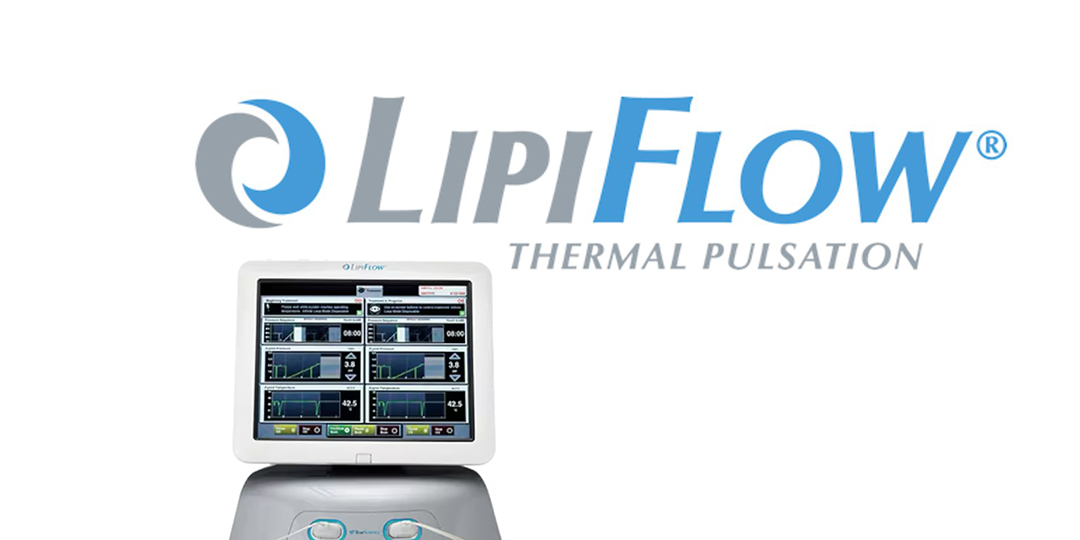
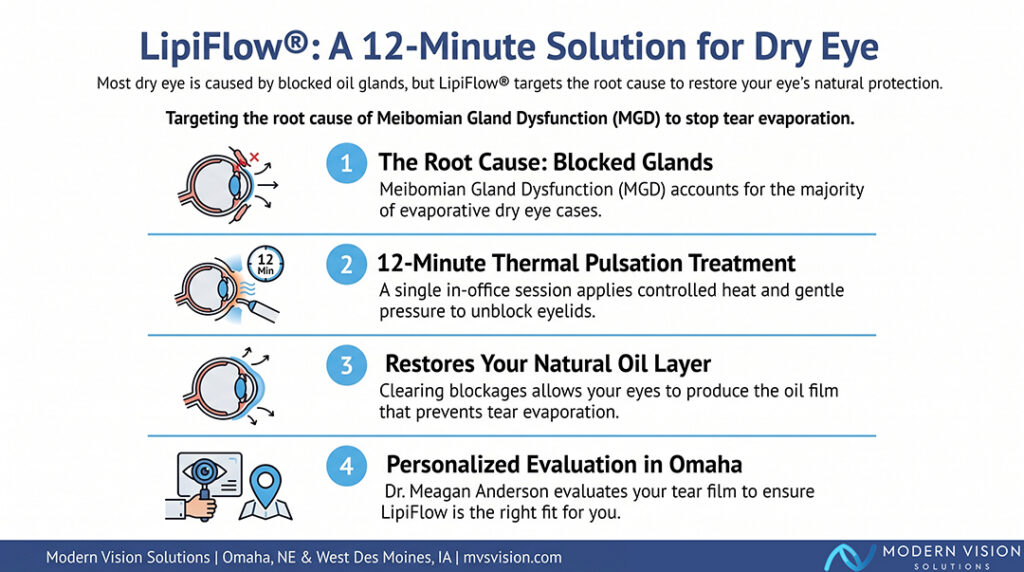
As of 2026, LipiFlow is an FDA-cleared thermal pulsation treatment that unblocks meibomian glands in the eyelids — the oil glands whose dysfunction causes most evaporative dry eye. The device applies controlled heat and gentle pressure to the inner eyelid surface during a single 12-minute in-office session, restoring the eye’s natural oil layer. That oil layer prevents tear evaporation. LipiFlow specifically treats meibomian gland dysfunction, which accounts for the majority of dry eye cases.
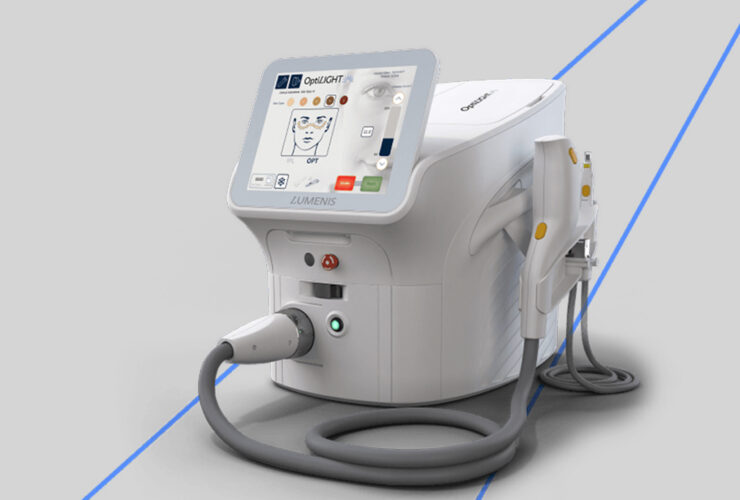
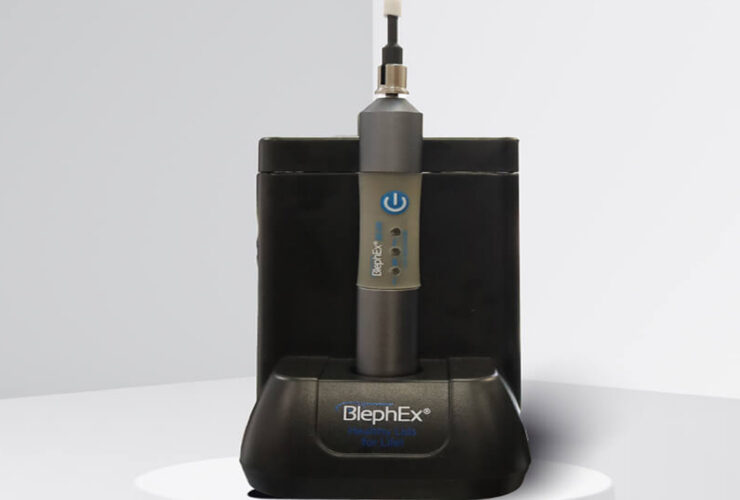
At Modern Vision Solutions in Omaha, Dr. Meagan Anderson, OD evaluates each patient’s tear film and meibomian gland function to determine LipiFlow suitability. Modern Vision Solutions offers LipiFlow alongside BlephEx and OptiLIGHT IPL as part of a full-spectrum dry eye treatment approach, allowing Dr. Anderson to match the treatment to each patient’s specific dry eye type.
How Does LipiFlow Treat Meibomian Gland Dysfunction?
LipiFlow treats meibomian gland dysfunction by melting and clearing blocked oil glands in the eyelids. The device applies precisely controlled heat — 42.5°C (108.5° F) — to the inner eyelid surface while delivering gentle pulsating pressure to the outer eyelid. The dual action expresses hardened meibum. Cleared glands then resume producing the lipid layer that stabilizes the tear film and prevents tear evaporation.
Dr. Anderson uses diagnostic imaging to assess meibomian gland structure and function before treatment, identifying which glands are blocked versus atrophied. That evaluation determines whether LipiFlow matches the patient’s dry eye type or whether another treatment at Modern Vision Solutions is better suited to their diagnostic profile.
Who Is a Good Candidate for LipiFlow Treatment in Omaha?
Candidates for LipiFlow treatment have evaporative dry eye caused by meibomian gland dysfunction. Not every dry eye patient qualifies. A diagnostic evaluation assesses meibomian gland structure, tear film quality, and lipid layer thickness to confirm MGD as the underlying cause. Patients with aqueous deficient dry eye, active eye infections, or significant gland atrophy may require alternative treatments. Overall eye health also matters.
At Modern Vision Solutions in Omaha, Dr. Anderson performs a full dry eye evaluation including meibomian gland imaging. The results determine whether LipiFlow, BlephEx, OptiLIGHT IPL, punctal plugs or a combination approach fits each patient’s specific dry eye type.
What Happens During a LipiFlow Treatment?
During a LipiFlow treatment, a single-use Activator device is placed over and under each eyelid. Controlled thermal energy warms the inner eyelid while pulsating pressure massages the outer eyelid, clearing blocked meibomian glands. Numbing drops are used. Most patients describe the sensation as warm, gentle pressure — similar to an eye massage. The full session takes about 12 minutes for both eyes, and patients return to normal activities immediately.
Is LipiFlow Painful?
LipiFlow causes minimal discomfort for most patients. The sensation is typically described as gentle warmth and light pressure on the eyelids, and many patients find the experience comfortable enough to relax during the 12-minute session. Numbing drops are applied before treatment to reduce any surface sensitivity. Mild tenderness around the eyelids may occur briefly after the session but typically resolves within hours.
How Long Do LipiFlow Results Last?
As of 2026, clinical data suggests LipiFlow improvements typically become noticeable within two to four weeks, with optimal results around six to eight weeks after treatment. Relief from dry eye symptoms generally lasts nine to twelve months, with some patients experiencing benefits for up to two years depending on MGD severity and environmental factors. Many patients schedule maintenance treatments every twelve to twenty-four months to sustain gland function.
Dr. Anderson monitors each patient’s meibomian gland function after LipiFlow treatment and recommends follow-up based on individual response. The full dry eye evaluation at Modern Vision Solutions tracks gland health over time to determine when retreatment may help.
Can LipiFlow Be Combined with BlephEx or IPL for Dry Eye Treatment in Omaha?
LipiFlow can be combined with BlephEx and OptiLIGHT IPL as part of a multi-treatment dry eye strategy. The treatments work on different layers. BlephEx cleans bacterial biofilm and debris from the eyelid margins, while LipiFlow clears blockages deeper within the meibomian glands. IPL reduces eyelid inflammation that contributes to gland dysfunction. The combination and sequencing depend on diagnostic findings from a full dry eye evaluation.
Modern Vision Solutions in Omaha offers LipiFlow, BlephEx, OptiLIGHT IPL, and punctal plugs under one roof. Dr. Anderson designs individualized treatment plans that may combine multiple therapies based on each patient’s diagnostic results, eliminating the need for referrals between separate dry eye providers.
How Does LipiFlow Compare to Warm Compresses for Dry Eye?
Current clinical evidence shows LipiFlow delivers sustained, precisely regulated heat directly to the inner eyelid surface — at a therapeutic temperature that warm compresses cannot consistently achieve. The difference is mechanical. Warm compresses lose heat rapidly and apply pressure from the outside only, reaching blocked meibomian glands less effectively. Clinical studies show LipiFlow produces greater meibomian gland secretion improvement than warm compresses alone, particularly for moderate to severe MGD.
Dr. Anderson often sees patients in Omaha who have tried warm compresses and over-the-counter drops without lasting relief. A diagnostic evaluation at Modern Vision Solutions can determine whether MGD is the underlying cause and whether LipiFlow or another in-office treatment would provide more sustained improvement.
Key Takeaways: LipiFlow for Dry Eye in Omaha
- LipiFlow is an FDA-cleared thermal pulsation treatment designed for evaporative dry eye caused by meibomian gland dysfunction — not all dry eye types.
- The 12-minute in-office treatment applies controlled heat and gentle pressure to clear blocked meibomian glands, with most patients experiencing minimal discomfort.
- A diagnostic evaluation of meibomian gland structure and tear film quality determines whether a patient is a candidate for LipiFlow treatment.
- Results typically become noticeable within two to four weeks, with relief generally lasting nine to twelve months before maintenance treatment may be needed.
- LipiFlow can be combined with BlephEx and OptiLIGHT IPL to address multiple layers of dry eye disease in a single treatment plan.
To find out whether LipiFlow is the right treatment for your dry eye, schedule a full dry eye evaluation with Dr. Anderson at Modern Vision Solutions in Omaha.

Dr. Meagan Anderson is the lead optometrist at Modern Vision Solutions in Omaha, NE. She completed her Residency in Refractive Surgery and Primary Care and holds a Doctor of Optometry degree from the University of Missouri – St. Louis College of Optometry St. Louis, MO. She is a member of the American Optometric Association, American Academy of Optometry, and the Nebraska Optometric Association. Dr. Anderson has had experience in multiple refractive surgery and optometry practices. She has served as a teaching assistant in Clinical Optometry I, II, & III courses. Our patients love her incredible empathy.