Chronic dry eye affects many Omaha residents who find limited relief from artificial tears or warm compresses. For these patients, in-office treatments that target underlying inflammation have become an important option to evaluate.
What Is OptiLIGHT IPL for Dry Eye?
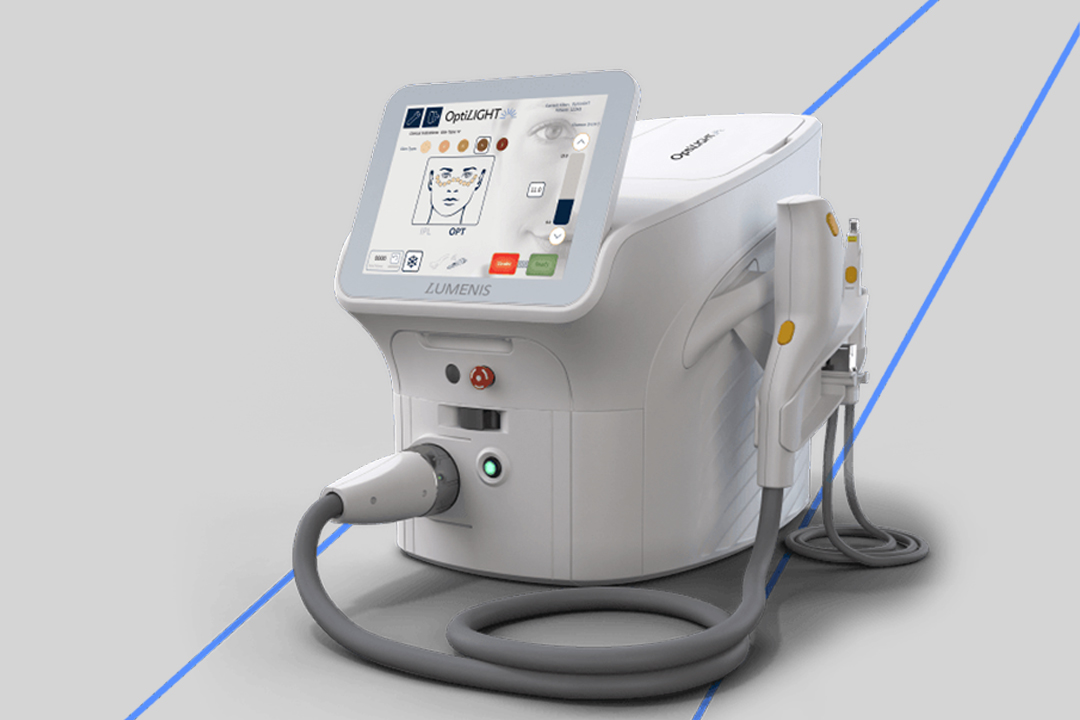
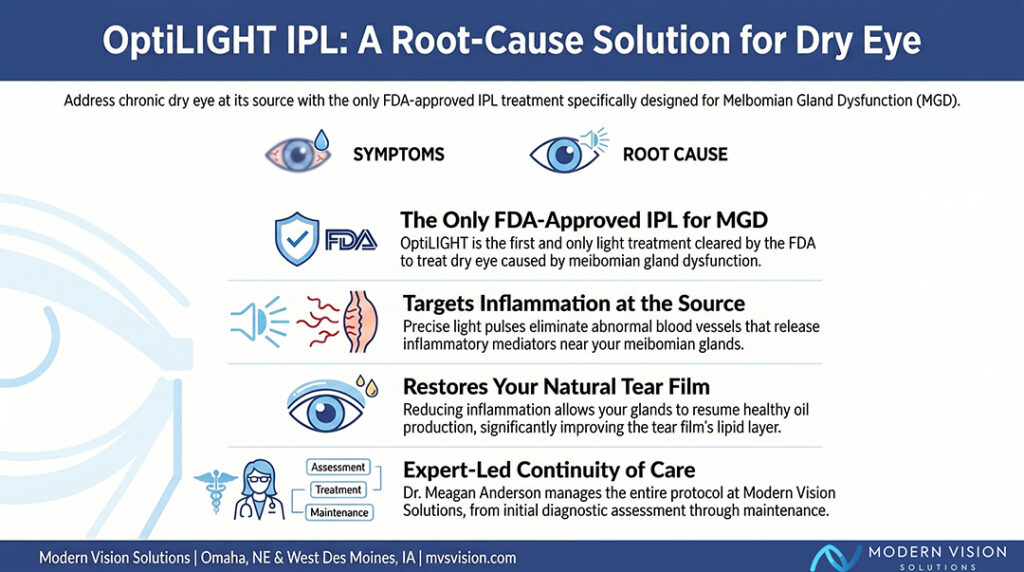
OptiLIGHT is the first and only FDA-approved intense pulsed light (IPL) treatment indicated for dry eye caused by meibomian gland dysfunction. As of 2026, no other IPL device holds this approval. The treatment uses precise light pulses to reduce inflammation around the meibomian glands by targeting abnormal blood vessels, addressing a root cause of chronic dry eye rather than easing symptoms. Omaha patients with inflammation-driven dry eye may benefit from this in-office option.
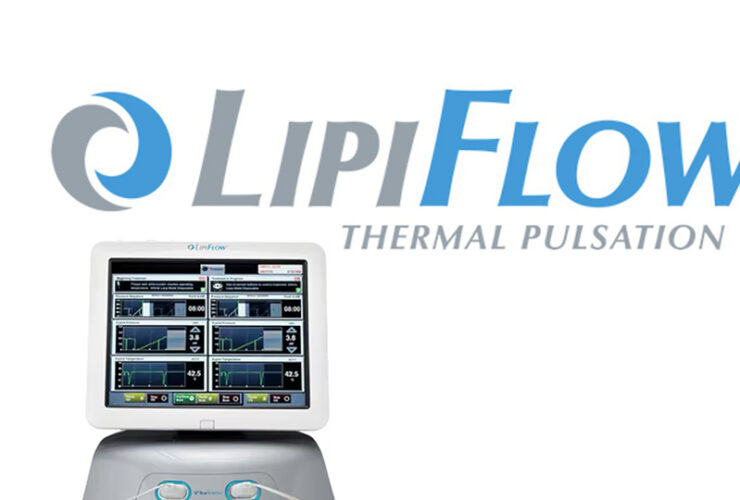
At Modern Vision Solutions in Omaha, Dr. Meagan Anderson evaluates each patient’s dry eye through a detailed diagnostic assessment to determine whether OptiLIGHT IPL, LipiFlow, BlephEx, punctal plugs or a combination approach fits the condition. OptiLIGHT is one of several dry eye treatments offered at the practice.
How Does OptiLIGHT IPL Treat Dry Eye?
OptiLIGHT IPL delivers controlled light pulses to the skin below and around the eyes, targeting and eliminating abnormal blood vessels (telangiectasia) that release inflammatory mediators near the meibomian glands. As chronic inflammation drops, the glands resume healthier oil production and the tear film’s lipid layer improves.
Dr. Anderson completed her residency in refractive surgery and primary care at Kugler Vision in Omaha, where she trained in advanced ocular surface care. At Modern Vision Solutions, she performs the full OptiLIGHT IPL protocol, ensuring one provider handles every session from diagnosis through maintenance.
Who Is a Good Candidate for OptiLIGHT IPL in Omaha?
OptiLIGHT IPL is indicated for adults age 22 and older (can be done on younger patients when clinically indicated) with evaporative dry eye caused by meibomian gland dysfunction, particularly patients with ocular rosacea or visible telangiectasia around the eyelids. Skin tone matters too. The treatment is indicated for Fitzpatrick skin types I through IV (light to moderate skin tones). Patients with aqueous deficiency dry eye may be candidates for IPL as well, but it is important to treat the aqueous deficiency component.
At Modern Vision Solutions in Omaha, Dr. Anderson’s dry eye evaluation determines whether OptiLIGHT IPL, LipiFlow, BlephEx, or another approach best matches each patient’s condition. Patients with contraindications are guided toward alternative treatments.
What Happens During an OptiLIGHT IPL Treatment?
During an OptiLIGHT IPL session, the provider applies a coupling gel to the treatment area below and around the eyes, then places protective eye shields over both eyes. The device delivers a series of precise light pulses to the skin. Most patients describe a warm sensation or a light snapping feeling. Each IPL session takes roughly 10 to 15 minutes.
Modern Vision Solutions performs OptiLIGHT IPL treatments at its Omaha location on Pacific Street. Dr. Anderson handles the treatment and the gland expression step herself, keeping the technique consistent across all four sessions in a patient’s protocol.
How Many OptiLIGHT Treatments Are Needed for Dry Eye?
As of 2026, the standard OptiLIGHT IPL protocol involves four initial treatment sessions spaced two to four weeks apart. Most patients notice improvement in dry eye symptoms after the second or third session, with cumulative benefits building across the full series. After the initial protocol, maintenance treatments every 6 to 12 months help sustain results.
Dr. Anderson develops a personalized treatment plan based on each patient’s dry eye severity and gland health. Some patients benefit from combining OptiLIGHT IPL with treatments such as LipiFlow or BlephEx as part of a broader approach to meibomian gland dysfunction.
Is OptiLIGHT IPL Painful?
OptiLIGHT IPL is generally well tolerated. Most patients describe the sensation as a warm feeling or a light snapping against the skin, similar to a rubber band tapping the treatment area. The procedure does not require anesthesia or numbing drops. Some patients experience mild redness or a slightly dry or gritty sensation for a few hours after treatment, which typically resolves within a day.
How Is OptiLIGHT IPL Different from LipiFlow for Dry Eye?
OptiLIGHT IPL and LipiFlow treat meibomian gland dysfunction through different mechanisms. IPL targets chronic inflammation by eliminating abnormal blood vessels around the glands, reducing the inflammatory cycle that impairs gland function. LipiFlow applies direct thermal pulsation and pressure to physically unblock the meibomian glands and express stagnant oil. IPL addresses the underlying inflammation; LipiFlow addresses the physical blockage.
Modern Vision Solutions in Omaha offers both OptiLIGHT IPL and LipiFlow, allowing Dr. Anderson to match the treatment to each patient’s specific type of meibomian gland dysfunction. Patients with significant inflammation may begin with IPL; those with primarily blocked glands may benefit more from LipiFlow, or from a combination of both.
Can OptiLIGHT IPL Be Combined with Other Dry Eye Treatments in Omaha?
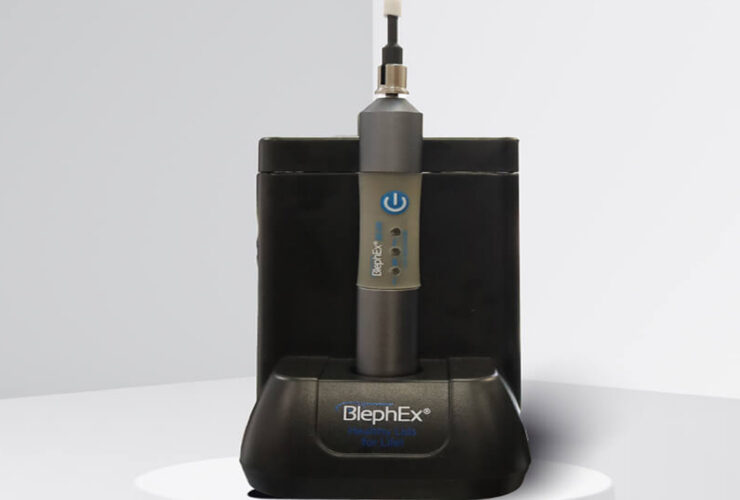
OptiLIGHT IPL is designed to work alongside other dry eye treatments, not replace them. The manufacturer states that IPL is intended as an adjunct to other modalities. Combining IPL with treatments such as LipiFlow (for direct gland unblocking) or BlephEx (for lid biofilm removal) can address multiple contributing factors of meibomian gland dysfunction at once, since each targets a different part of the disease process.
At Modern Vision Solutions, Dr. Anderson builds customized dry eye treatment plans using the practice’s full range of therapies: OptiLIGHT IPL, LipiFlow, BlephEx, punctal plugs, and prescription eye drops. This allows treatment to be layered based on each patient’s specific gland health, inflammation level, and tear film composition.
Key Takeaways: OptiLIGHT IPL for Dry Eye in Omaha
- OptiLIGHT is the first and only FDA-approved IPL treatment specifically indicated for dry eye caused by meibomian gland dysfunction.
- OptiLIGHT IPL targets abnormal blood vessels around the meibomian glands to reduce chronic inflammation, a root cause of evaporative dry eye.
- The standard OptiLIGHT protocol at Modern Vision Solutions in Omaha is four initial sessions spaced two to four weeks apart, with maintenance every 6 to 12 months.
- Candidacy requires age 22 or older (or younger when clinically indicated), Fitzpatrick skin types I through IV, and evaporative rather than aqueous-deficient dry eye.
- OptiLIGHT IPL is designed as an adjunct treatment and can be combined with LipiFlow, BlephEx, or punctal plugs at Modern Vision Solutions.
Schedule a dry eye evaluation at Modern Vision Solutions in Omaha to find out whether OptiLIGHT IPL, LipiFlow, BlephEx, or a combination approach is right for your condition. Dr. Anderson will assess your gland health, tear film, and inflammation level to recommend a personalized treatment plan.
Medically Reviewed By:
Alexa Narke, OD
Optometrist
Last reviewed June 24, 2026

Dr. Meagan Anderson is the lead optometrist at Modern Vision Solutions in Omaha, NE. She completed her Residency in Refractive Surgery and Primary Care and holds a Doctor of Optometry degree from the University of Missouri – St. Louis College of Optometry St. Louis, MO. She is a member of the American Optometric Association, American Academy of Optometry, and the Nebraska Optometric Association. Dr. Anderson has had experience in multiple refractive surgery and optometry practices. She has served as a teaching assistant in Clinical Optometry I, II, & III courses. Our patients love her incredible empathy.